




You just spent hours editing, only to receive a terrifying “Copyright Claim” email right after uploading. Before panicking, realize mastering YouTube copyright rules is completely manageable. Industry data reveals millions of these automated notices go out constantly, but they become harmless once you grasp the basic logic.
Treat digital content like physical real estate. Using a hit song without permission is exactly like painting a mural on someone else’s fence. Regardless of your artistic intent, legal infringement applies because federal laws govern ownership, not just platform guidelines.
Navigating this terrain does not require a law degree. The critical differences between monetization claims, channel strikes, and actual fair use dictate how you handle your channel’s content.
Content ID: The Digital Fingerprint System Explained
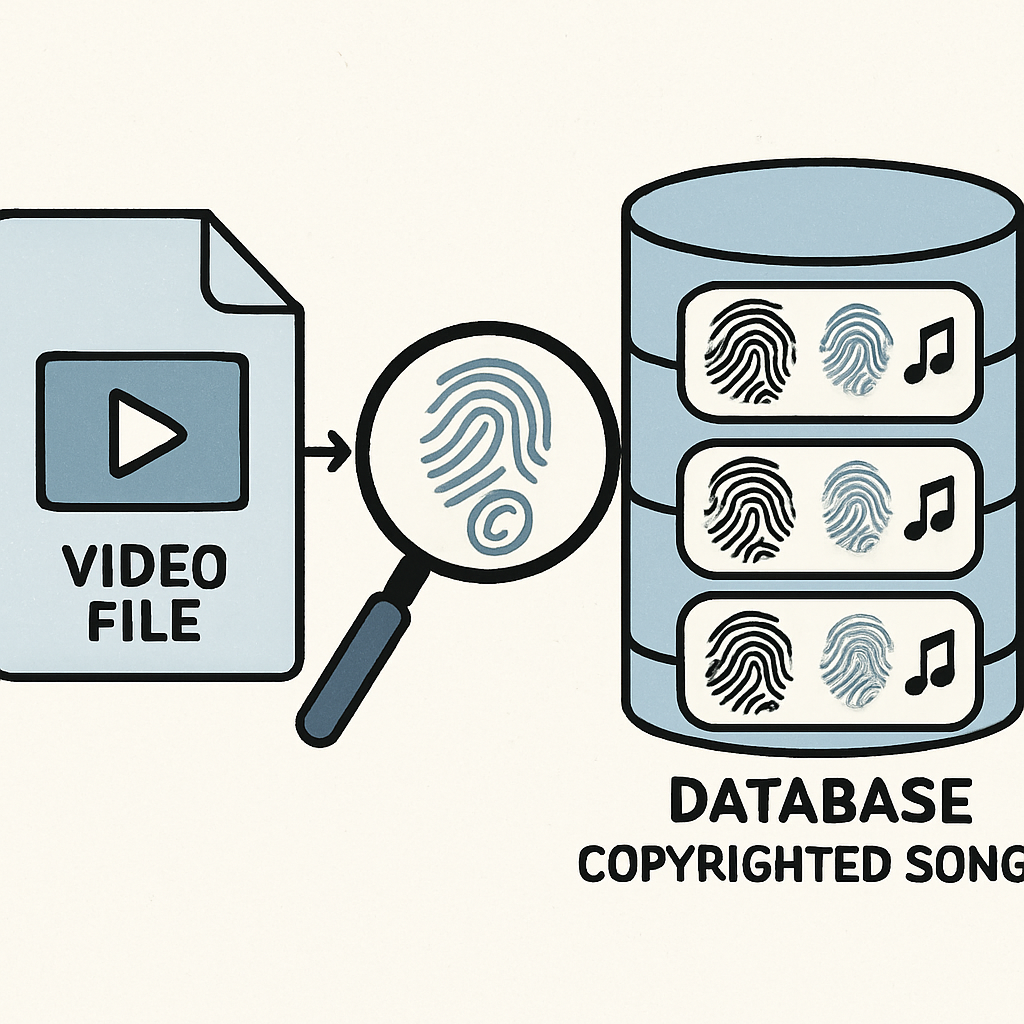
Wonder why you receive copyright notifications seconds after uploading? That instant alert is the YouTube Content ID system explained in action. This automated scanning software works 24/7, creating a unique digital fingerprint for every video.
It then compares your fingerprint against a massive database of protected files. If the YouTube Content ID scanner finds a match, it flags the video automatically. Fortunately, this usually just triggers a standard claim rather than a severe penalty.
Why a Copyright Claim Is Better Than a Strike
Understanding the difference between copyright strike and claim alerts prevents unnecessary panic. Content ID flags usually target your income, not your channel’s good standing.
Here is the contrast:
- Claim: This initiates revenue sharing. Owners may apply a monetization block to take ad money, keeping your channel safe.
- Strike: This is a penalty. Knowing what happens after 3 copyright strikes is vital: permanent channel deletion.
The Bottom Line: Claims affect wallets; strikes threaten survival. Avoiding both requires a strong understanding of fair use.
The 4 Pillars of Fair Use: Can You Use Someone Else’s Clip?
Using a short snippet of a movie doesn’t automatically protect you. “Fair Use” is a legal defense, not a guaranteed free pass. To evaluate your content, courts rely on the fair use four factor test for video.
When avoiding copyright infringement in gaming videos or reviews, weigh these pillars:
- Purpose: Did you create a transformative work by adding new criticism or parody?
- Nature: Is the original source factual or highly creative?
- Amount: Did you use only what was absolutely necessary?
- Market Effect: Does your video steal viewers from the original?
Applying these principles helps evaluate whether your usage qualifies as a legal defense.
How to Use Music Legally (Even if You’re on a Budget)
Learning how to use copyrighted music legally often demands a “sync license” an expensive contract pairing commercial audio with your video. Because YouTube music copyright rules make popular tracks risky, creators need safer alternatives.
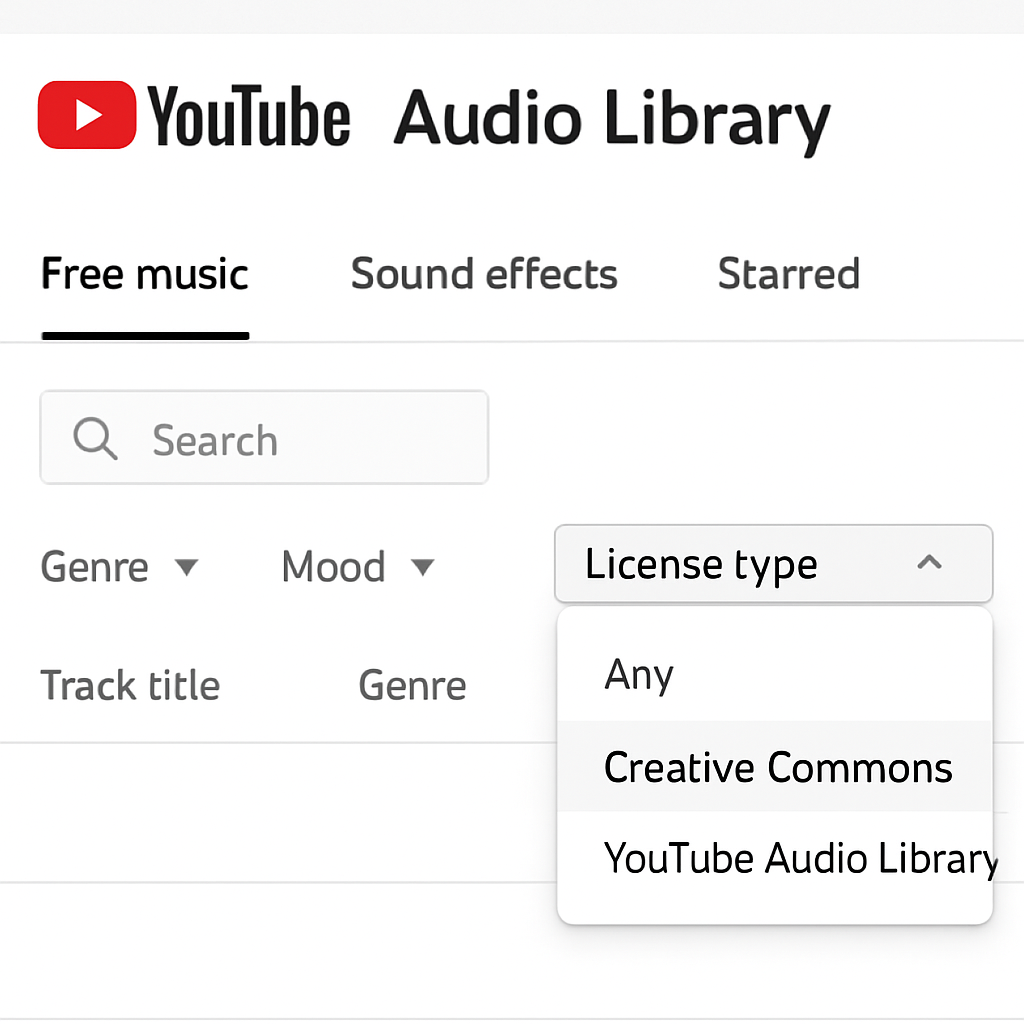
Luckily, YouTube Audio Library royalty free music guarantees safety. “Royalty-free” means you never pay per view, unlike dangerous “free” downloads. Still, many try taking shortcuts by relying on flawed attribution methods.
The ‘Credit in Description’ Myth and Why Permission Is Key
Think writing “Credit to the owner” in your description protects you? Think again. Giving credit is polite, but it doesn’t grant permission to use copyrighted material on YouTube. Unless the creator uses a Creative Commons vs standard YouTube license, attribution is never a legal substitute for approval.
Securing approval requires reaching out directly to the owner. Follow this checklist:
- Find their contact info.
- Get a written agreement.
- Define specific terms of use.
Without this permission, you are unprotected which explains why 5 seconds of a song can still get you banned.
Why 5 Seconds of a Song Can Still Get You Banned
People constantly ask, “can I use 10 seconds of a copyrighted song” expecting a legal loophole. This duration rule is a complete myth. YouTube’s Content ID acts like a highly sensitive digital fingerprint scanner, meaning even a tiny loop of a pop hit instantly triggers an automated flag.
Protecting your channel means avoiding unauthorized commercial clips entirely. But what if this system incorrectly flags audio you genuinely have permission to play? Disputing the claim becomes your next necessary step.
Step-by-Step: How to Dispute a Wrongful Copyright Claim
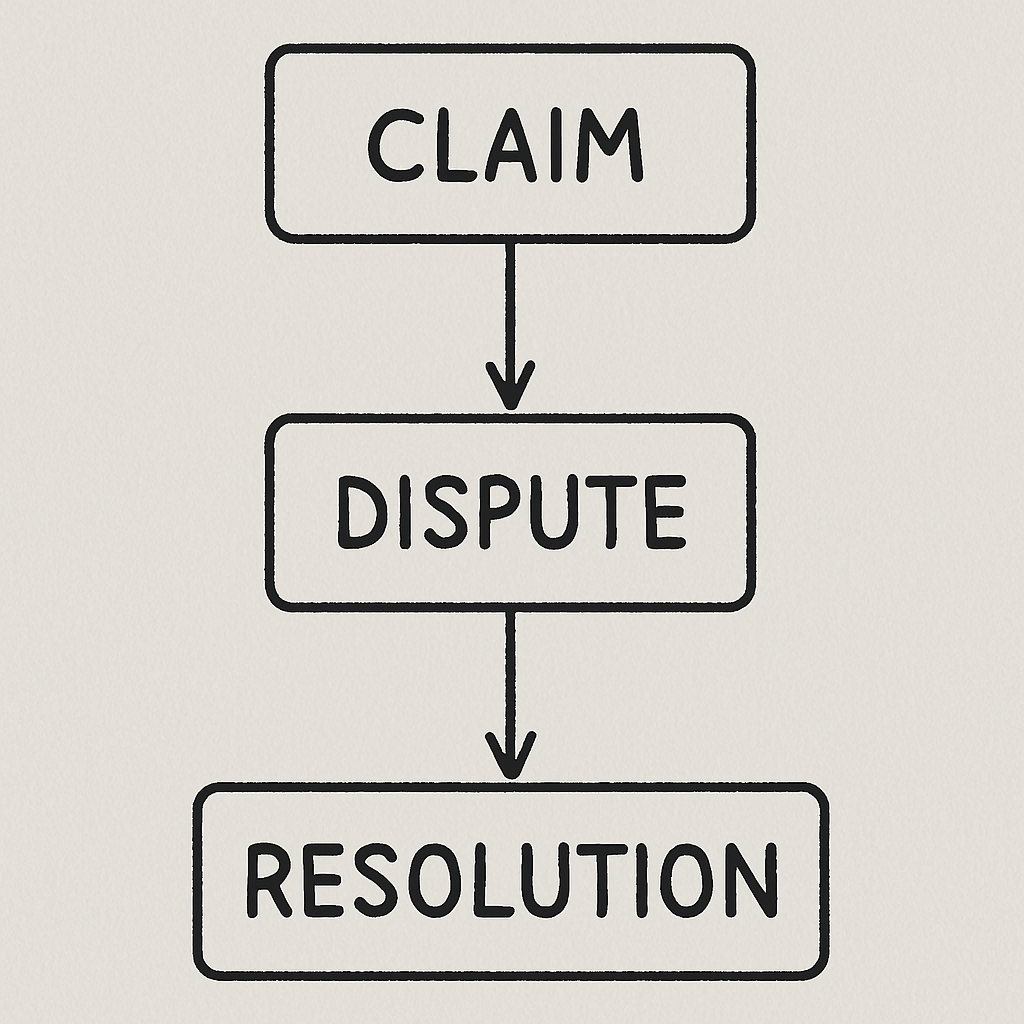
Getting flagged for audio you legally licensed is frustrating. Before starting the step by step copyright dispute process, decide whether simply muting the track is safer than fighting.
If you possess valid permission, act within your 30-day dispute window using this path:
- Review: Verify your license.
- Dispute: Submit proof via YouTube.
- Appeal: If rejected, use a DMCA counter notification template to legally challenge the takedown.
To avoid this stress entirely, source your assets from safe, copyright-free libraries.
Where to Find Free Video Footage and Music That’s Safe
Skip the stress of claims by using assets nobody owns. Think of the Public Domain like a community park free for everyone, making public domain video footage for creators perfect for historical context. Similarly, a CC0 license (Creative Commons Zero) means the artist fully surrendered their copyright. Reliable stock footage sites for YouTube creators include:
- Pexels & Pixabay: Excellent for CC0 modern b-roll.
- Archive.org: The best source for vintage clips.
Always verify license terms before downloading. Even with safe media, automated mistakes happen. Knowing how to handle channel strikes ensures long-term channel survival.
The ‘3-Strike Rule’: How to Save Your Channel From Deletion
Seeing a strike on your dashboard is terrifying, but understanding YouTube copyright rules helps you confidently bounce back. A single strike acts as a severe warning that temporarily restricts features like live streaming. However, every creator fears what happens after 3 copyright strikes: permanent channel deletion.
To protect your channel, remember that these penalties aren’t permanent scars. Every strike features a strict 90-day expiration timer, meaning the warning entirely vanishes from your account if you actively monitor your dashboard and avoid new infractions during that window.
The catch is you must complete a mandatory “Copyright School” video quiz to trigger this reset. Once passed, your slate wipes clean, allowing you to implement a strict protection plan for future content.
Protecting Your Content: Your Action Plan for Copyright Peace
Understanding YouTube copyright rules removes the fear that one mistake could erase your hard work. You can confidently grow your channel without the constant threat of sudden deletion. By adopting a “good neighbor” philosophy respecting others’ property while utilizing tools like revenue sharing for music covers your channel health leads to true peace of mind.
Develop a “safety first” workflow for every upload using this final ‘Safe Creator’ Checklist:
- Check Library: Always verify audio sources.
- Use CC: Prioritize Creative Commons materials.
- Audit Claims: Implement a regular audit of the ‘Copyright’ tab in Studio.
