



In the interconnected global economy, digital content knows no borders. An e-learning course created in Bangalore can be instantly accessed by a student in New York. Unfortunately, this borderless reality also applies to digital piracy. When an Indian business’s intellectual property is stolen and hosted on a server in Europe or a cyberlocker in Russia, navigating the complex web of international copyright law becomes a daunting task. The primary weapon in this global fight is the Digital Millennium Copyright Act (DMCA). However, utilizing the DMCA effectively from within India requires specialized knowledge and strategic execution. This article serves as the complete guide to understanding and leveraging DMCA takedown services in India.
Understanding the DMCA in an Indian Context
The Digital Millennium Copyright Act is a United States copyright law enacted in 1998. It criminalizes the production and dissemination of technology, devices, or services intended to circumvent measures that control access to copyrighted works. But why does a US law matter to an Indian business?
The answer lies in global infrastructure. A massive percentage of the internet’s foundational infrastructure—search engines (Google), social media platforms (Meta, X, YouTube), web hosts (AWS, GoDaddy), and domain registrars—are headquartered in the United States. Furthermore, under international treaties like the WIPO Copyright Treaty (to which India is a party), international copyright protections are generally respected globally. Therefore, even if an Indian company’s content is stolen by a pirate in Eastern Europe, if that pirate uses Google to index their site or AWS to host their video, an Indian company can use a DMCA notice to force those US-based services to remove the infringing content.
The Mechanics of a DMCA Takedown Notice
A DMCA takedown notice is a formal, legally binding request sent to an internet service provider (ISP), search engine, or hosting company, demanding the removal of material that infringes upon a copyright. To be legally valid and compel the platform to act, the notice must contain specific elements:
- Identification of the Original Work: You must clearly identify the copyrighted work that has been infringed. This often involves providing a URL to the original, legitimate source of the content (e.g., your official website or official YouTube channel).
- Identification of the Infringing Material: You must provide the exact URLs where the stolen content is currently hosted so the provider can locate and remove it.
- Statement of Good Faith: A declaration that you have a good faith belief that the use of the material is not authorized by the copyright owner, its agent, or the law (i.e., it is not “Fair Use”).
- Statement of Accuracy: A declaration made under penalty of perjury that the information in the notification is accurate and that you are authorized to act on behalf of the copyright owner.
- Contact Information and Signature: Your name, address, phone number, and a physical or electronic signature.
When a platform receives a valid DMCA notice, they are legally obligated under the “Safe Harbor” provision to expeditiously remove or disable access to the infringing material. If they fail to do so, they can be held liable for the copyright infringement.
The Challenges of “Do-It-Yourself” DMCA Takedowns in India
While the mechanics of a DMCA notice seem straightforward, executing them effectively at scale is incredibly difficult for an internal corporate team in India.
1. Identifying the Correct Host
You cannot send a DMCA notice to the pirate directly; you must send it to the company hosting the pirate’s website. However, sophisticated pirate sites use proxy services like Cloudflare to hide their true hosting provider. An internal team may send a notice to the wrong entity, resulting in delays while the pirated content continues to generate views and steal revenue.
2. The Volume and Whack-a-Mole Effect
Pirate networks are automated. If you manually submit a DMCA notice and successfully remove a stolen video from one cyberlocker, the pirate’s automated script will instantly re-upload it to three different cyberlockers. A human employee cannot manually write and submit DMCA notices fast enough to counter an automated botnet. This results in the frustrating “whack-a-mole” effect, where the internal team works constantly but the piracy never stops.
3. Counter-Notices and Legal Liability
If you submit a DMCA notice incorrectly (e.g., targeting content that is actually protected under Fair Use, like a legitimate product review), the targeted user can file a “counter-notice.” If you fail to respond to the counter-notice with actual legal action (like filing a lawsuit), the content is restored. Submitting frivolous or inaccurate DMCA notices can also open your company up to significant legal liability and financial damages.
The Necessity of Professional DMCA Takedown Services
Given the complexities, legal risks, and massive scale of modern digital piracy, relying on manual DMCA submission is no longer viable. Indian businesses are increasingly turning to specialized digital risk protection firms to manage the entire DMCA lifecycle.
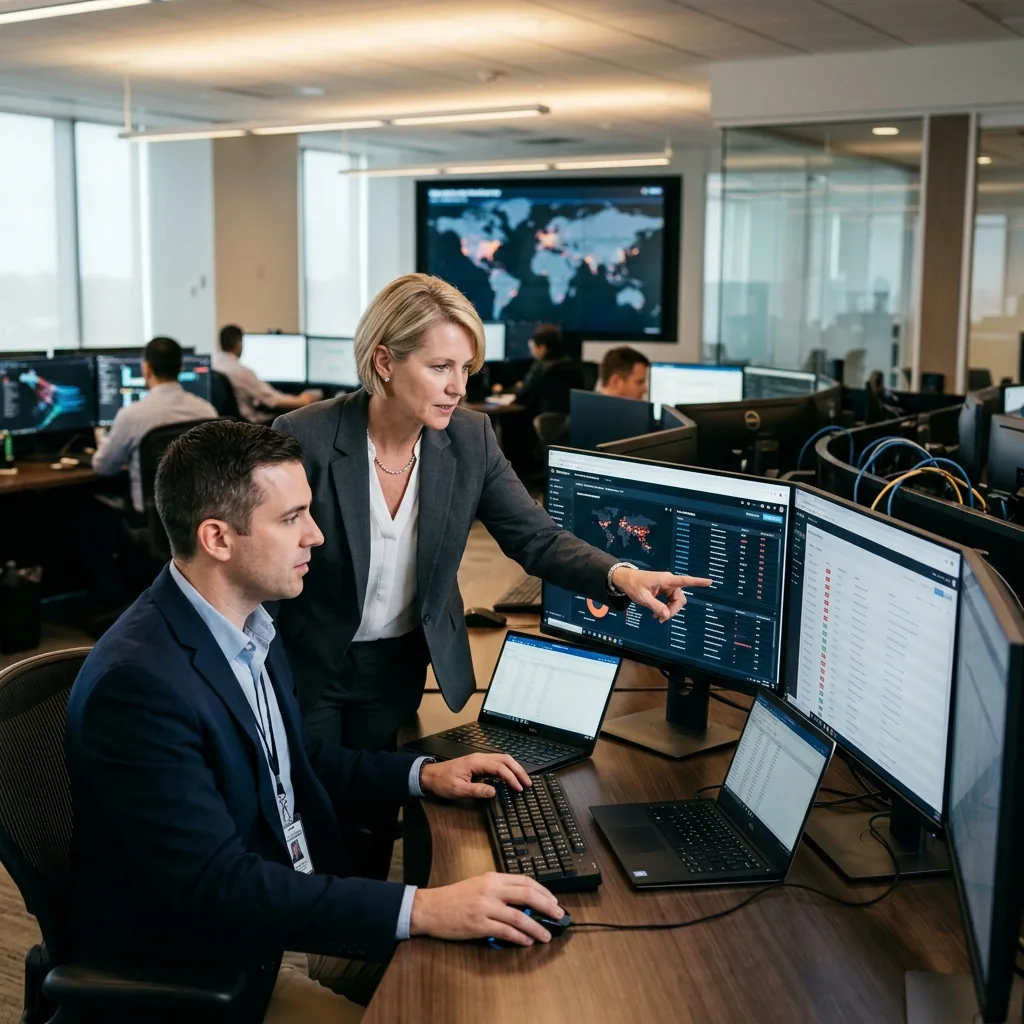
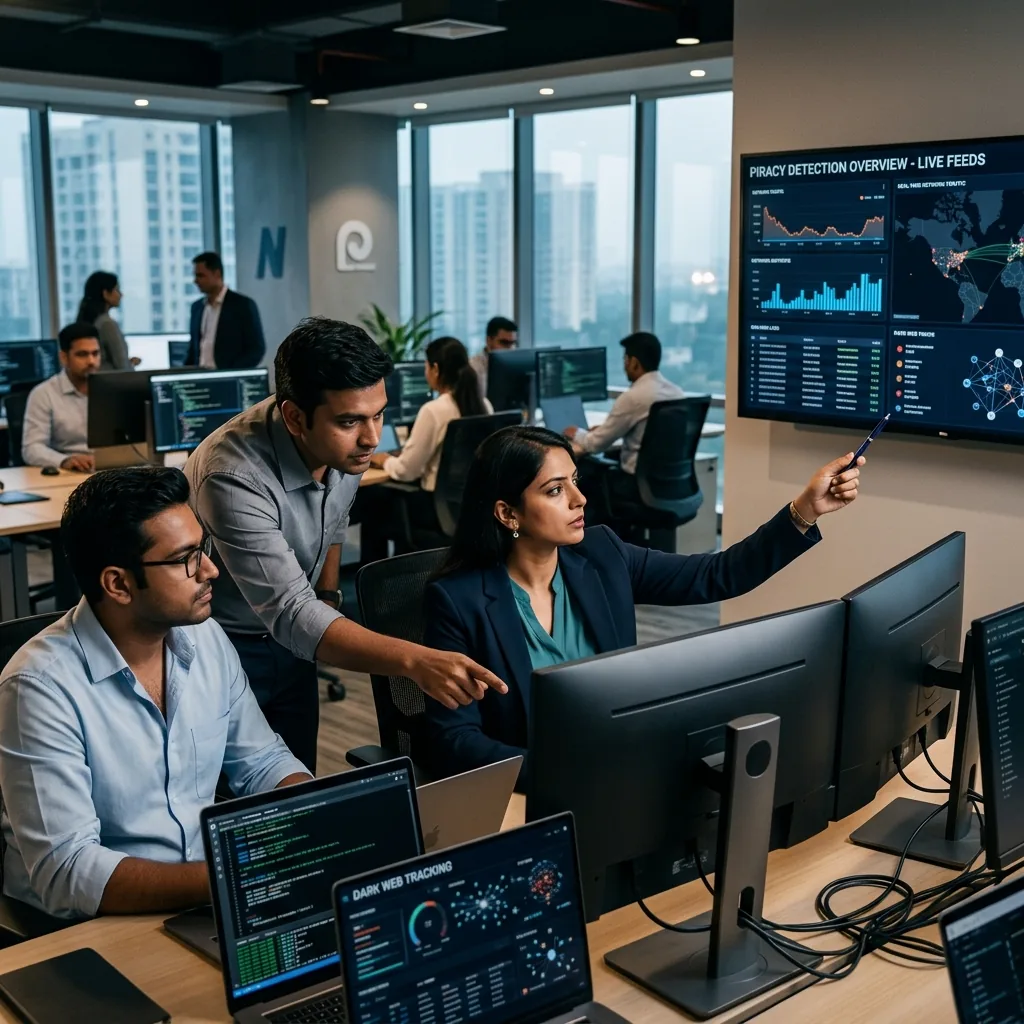
Professional services deploy advanced AI surveillance engines to automatically locate pirated content across the open web, deep web, and encrypted networks like Telegram. Once located, the system automatically identifies the correct hosting provider, bypassing proxy shields. The professional firm then generates and submits legally perfect DMCA notices in bulk, capable of removing thousands of infringing links simultaneously. Because these firms possess “trusted flagger” status with major platforms, their notices bypass the slow, automated queues that plague standard user reports, resulting in rapid takedowns within hours.
How TrustNet Security Executes Seamless DMCA Takedowns
Protecting your global digital footprint requires an elite, technologically advanced partner. TrustNet Security operates as the premier enforcement arm for Indian enterprises, EdTech platforms, and digital brands demanding absolute protection for their intellectual property.
We provide a comprehensive, fully managed DMCA takedown service. By partnering with TrustNet Security, your internal marketing and IT teams are completely relieved of the arduous task of chasing pirate links. Our proprietary AI surveillance engine casts a global net, continuously hunting for unauthorized distributions of your digital assets.
Crucially, TrustNet Security handles the entire legal enforcement process. Our expert digital threat analysts leverage our unparalleled network of priority escalation channels to execute devastatingly fast, legally compliant DMCA takedowns globally. We force search engines like Google to de-index pirate sites, and we compel hosting providers worldwide to delete your stolen files. By entrusting your digital rights management to TrustNet Security, you guarantee that your premium content remains exclusive, your revenue streams remain secure, and your brand operates with absolute confidence in the global digital marketplace.
Conclusion
The Digital Millennium Copyright Act is a powerful tool, but like any weapon, its effectiveness depends entirely on the skill of the user. For Indian businesses facing the industrialized threat of global digital piracy, relying on slow, manual DMCA submissions guarantees failure. By partnering with professional DMCA takedown services, organizations transition to an automated, aggressive defensive posture. Utilizing AI-driven surveillance and priority legal enforcement, these specialized services ensure that your intellectual property is aggressively defended across the globe, protecting your revenue and preserving the value of your innovation.
Share it:
