





How to Write a Copyright Description in Your YouTube Videos
Keywords: YouTube copyright description, copyright disclaimer, Fair Use disclaimer, Section 107 Copyright Act, protect YouTube video, TrustNet Security, digital intellectual property.
Introduction
The description box of a YouTube video is prime real estate. Content creators use it for SEO, affiliate links, and social media promotion. However, it is also a vital space for legal clarity. Writing a comprehensive copyright description or disclaimer in your YouTube videos establishes your intellectual property rights and clarifies your usage of third-party content. While not a magical shield against automated claims or takedowns, a well-crafted description serves as a strong preliminary defense and sets a professional standard for your brand.
Why Do You Need a Copyright Description?
A copyright notice in your video description serves two distinct legal messaging purposes:
- Assertion of Originality: It publicly declares that the content is your original creation, asserting your rights as the copyright holder. It serves as a deterrent to casual content thieves who might scrape videos lacking clear ownership statements.
- Clarification of Fair Use: If your video utilizes clips, music, or images owned by others (for the purpose of review, critique, education, or parody), a “Fair Use Disclaimer” formally states your legal justification for doing so under copyright law.
While simply typing “No copyright infringement intended” is completely legally meaningless and offers zero protection, writing a structured, specific disclaimer has real utility.
How to Write a Copyright Disclaimer
Here are the essential elements of an effective copyright description, depending on your intent:
1. The Standard Copyright Notice (Protecting Your Content)
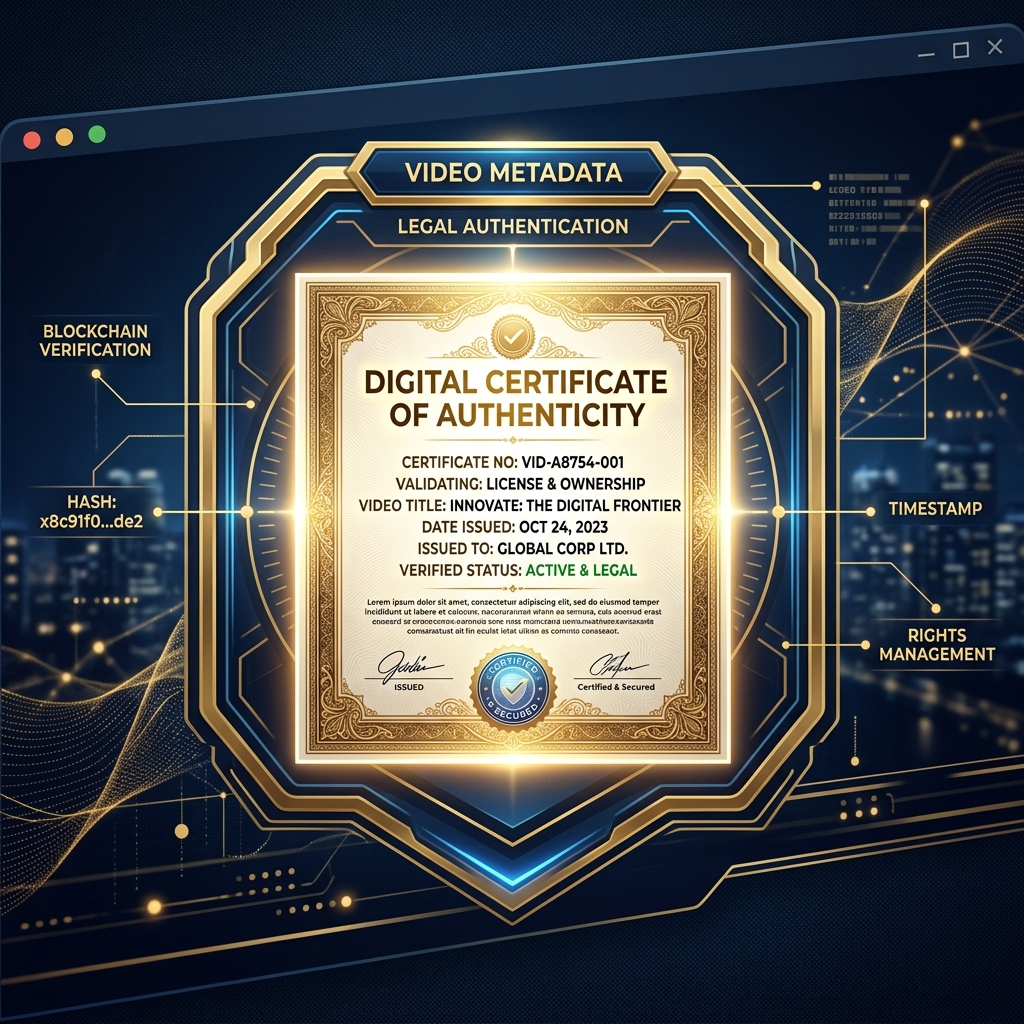
If the video is 100% your original work (or owned by your corporation), you should include a clear assertion of ownership.
- Format: `Copyright [Symbol] [Year] [Your Name/Company]. All Rights Reserved.`
- Example Text for the Description:
> “© 2026 TrustNet Security. All rights reserved. This video is the intellectual property of TrustNet Security. No part of this video may be reproduced, distributed, or transmitted in any form or by any means, without the prior written permission of the publisher.”
This statement is unambiguous and clearly outlines the boundaries of usage.
2. The Fair Use Disclaimer (When Using Third-Party Content)
If you are creating educational content, a reaction video, or a documentary that uses small, transformative clips of copyrighted material, you should cite the specific legal statute. In the United States, this is Section 107 of the Copyright Act.
- Example Text for the Description:
> “Copyright Disclaimer under section 107 of the Copyright Act 1976, allowance is made for ‘fair use’ for purposes such as criticism, comment, news reporting, teaching, scholarship, education and research. Fair use is a use permitted by copyright statute that might otherwise be infringing. Non-profit, educational or personal use tips the balance in favor of fair use.”
*Important Caveat:* Adding this disclaimer does not automatically make your use “Fair Use.” Fair Use is a complex legal defense determined by judges, not a guaranteed exemption. However, stating your intent clearly shows good faith if you ever need to file a dispute against a Content ID claim.
3. Proper Attribution
If you are using Creative Commons licensed music, stock footage, or assets where the creator specifically requires attribution, the description box is where you must provide it. Look at the specific license (e.g., CC BY 4.0) and include the title, author name, and a link to the source.
Do Disclaimers Stop Automated Claims?
No. YouTube’s Content ID system is a matching algorithm; it does not read your video description before initiating a claim. If an audio or visual match is found, you will receive a claim regardless of the legal text in your description.
However, the disclaimer becomes critical *after* the claim. When you submit a dispute, human reviewers at the claiming rights agency will look at your video. Seeing a professional, structured Fair Use disclaimer clearly outlining your educational transformative purpose significantly increases the chances of them releasing the claim.
How TrustNet Security Helps
Properly structuring copyright disclaimers is a foundational step, but protecting digital assets requires proactive enforcement. A disclaimer won’t stop determined pirates. This is where TrustNet Security provides unparalleled defense.
- Advanced Asset Protection: We move beyond static descriptions, implementing active digital watermarking and advanced tracking systems that identify your proprietary video content anywhere it appears online.
- Automated Takedown Enforcement: When your copyright description is ignored and your content is stolen, TrustNet Security executes rapid, legally binding DMCA takedowns against infringing domains and social accounts on a massive, automated scale.
- IP Strategy Consulting: Our experts assist brands in developing unassailable digital content strategies, ensuring all visual assets are correctly registered, aggressively monitored, and legally protected by far more than a text disclaimer.
Conclusion
Writing a clear copyright description in your YouTube videos is a necessary best practice for any serious content creator or business. Whether asserting your own rights or structuring a strong Fair Use argument, it provides critical legal context. When combined with the aggressive monitoring and rapid enforcement capabilities of TrustNet Security, you construct an impenetrable defense around your valuable digital intellectual property.
