





YouTube Copyright Claims vs. Copyright Strikes
Keywords: YouTube copyright claim vs strike, Content ID claim, copyright strike, fair use YouTube, DMCA takedown, TrustNet Security, YouTube monetization.
Introduction
The YouTube copyright system is notorious for being complex and heavily reliant on automation. For creators and businesses, seeing a notification regarding an intellectual property violation is stressful. However, not all notifications carry the same weight. The two primary mechanisms YouTube uses to enforce copyright are Copyright Claims (Content ID claims) and Copyright Strikes. Understanding the difference between these two is critical; one is a common operational issue, while the other can be a channel-killing threat.
What is a Copyright Claim (Content ID Match)?
A Copyright Claim, primarily generated by YouTube’s automated Content ID system, occurs when your uploaded video matches content in a database maintained by rights holders (like record labels or movie studios).
Key Characteristics of a Claim:
- Automated: It happens automatically upon upload or shortly after.
- Ownership Acknowledgment: It’s merely an acknowledgment that tracked material is present in your video.
- No Penality: It does NOT result in a strike against your channel. Your channel standing remains in “Good Status.”
The Consequences:
When a claim is placed, the copyright owner gets to decide the action. They can:
- Monetize: Place ads on your video and take the revenue.
- Track: View the viewership statistics.
- Block: Make the video unviewable in certain regions.
You can resolve a claim by removing the targeted segment, swapping the audio, or filing a dispute if you believe it falls under Fair Use.
What is a Copyright Strike?
A Copyright Strike is a severe, manual action taken against your channel. It occurs when a copyright owner formally submits a valid legal request (a DMCA takedown notice) demanding the removal of a video spanning their intellectual property.
Key Characteristics of a Strike:
- Manual and Legal: It is initiated by a formal legal takedown notice from a human or organization, not just a scanning algorithm.
- Punitive Action: A strike is a direct penalty against your channel’s behavioral record.
- Video Removal: The offending video is immediately and forcibly removed from YouTube.
The Consequences:
YouTube operates on a three-strike rule for copyright:
- First Strike: Your channel is restricted from certain features, and you must complete YouTube’s “Copyright School.” The strike expires after 90 days.
- Second Strike: If you get a second strike within the 90-day active window of the first, you will not be able to post new content for two weeks.
- Third Strike: Three active strikes result in the permanent termination of your channel. All your videos are removed, and you are banned from creating new channels.
You can resolve a strike by waiting for it to expire, asking the claimant for a retraction, or submitting a formal legal Counter-Notification if you believe your video was removed by mistake or qualifies as Fair Use.
Comparing the Threat Levels
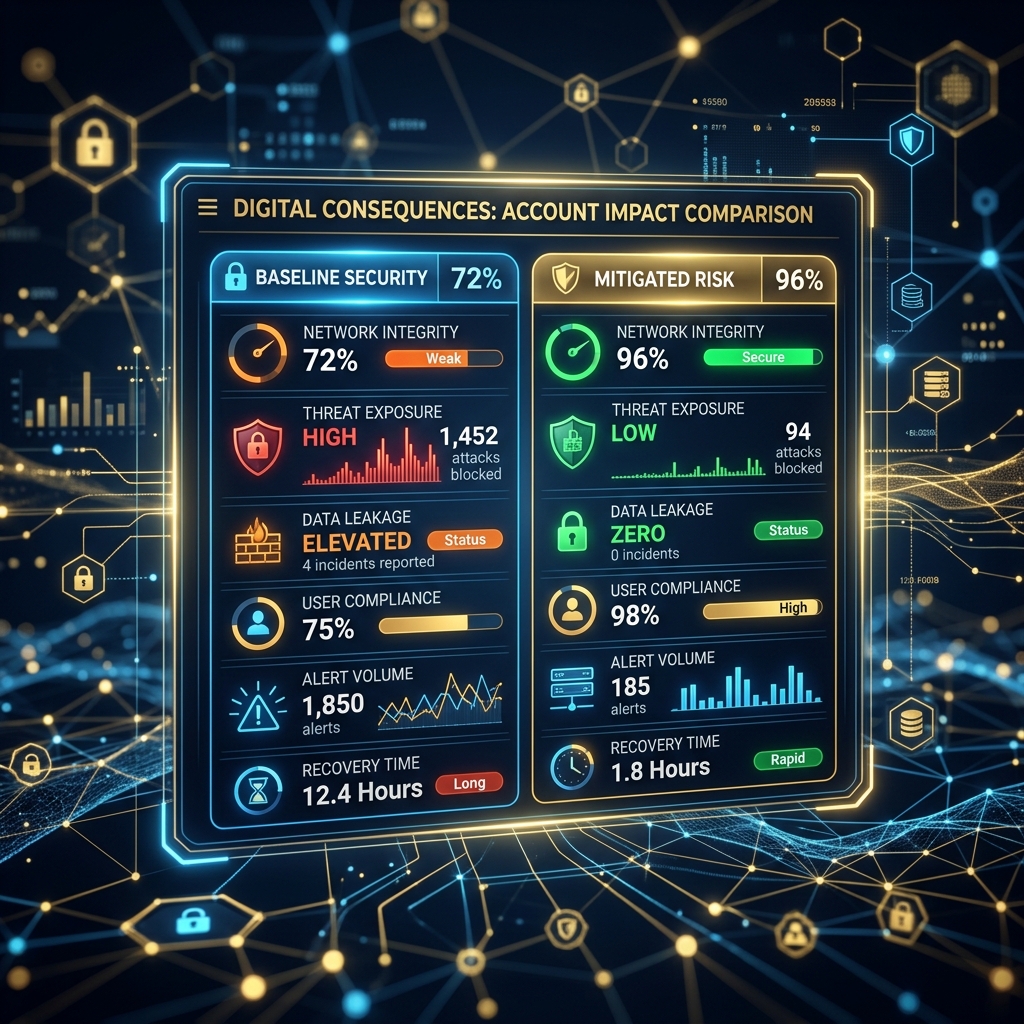
In summary, a Claim threatens your *revenue* for a specific video, while a Strike threatens the very *existence* of your entire channel. Creators often deal with dozens of claims without issue, but even a single strike is the start of a severe countdown.
How TrustNet Security Helps
Distinguishing between claims and strikes is only the first step. Effectively managing and fighting them requires distinct legal and technical approaches. This is where TrustNet Security provides invaluable support for corporate channels and major creators.
- Strike Resolution Support: If your corporate channel faces a malicious copyright strike initiated by a competitor or troll, our teams provide immediate support to draft and file effective DMCA Counter-Notifications, legally challenging the takedown to restore your video and clear the strike.
- Proactive IP Defense: For rights holders, we utilize advanced web-scanning technology that goes beyond basic Content ID. We identify unauthorized use of your valuable videos and webinars across multiple platforms, allowing us to issue precise DMCA strikes against bad actors stealing your brand traffic.
- Digital Intelligence: TrustNet Security’s continuous monitoring provides a clear overview of your brand’s copyright health, separating automated annoyances from genuine legal threats, so you can respond with the appropriate level of force.
Conclusion
Navigating YouTube requires a clear understanding of its legal mechanisms. Do not panic over an automated copyright claim, but treat every copyright strike seriously. By understanding the distinction and partnering with digital risk experts like TrustNet Security, you can protect your channel’s monetization, safeguard your original branding, and ensure your digital presence is not derailed by copyright enforcement mechanisms.
